
 23-Aug-2025
Your buyers aren’t robots. They’re complex, emotion-driven humans who weigh risk and reward, like kids deciding which ride to try first on a playground. Neuroscience tells us that emotions steer their decisions before logic even has a chance to chime in. That puts fear and opportunity messaging at the helm of your marketing communications.
Fear triggers the instinct to act urgently. Opportunity inspires and motivates toward brighter outcomes. But which works better for B2B buyers? Spoiler alert—there’s no one-size-fits-all answer. To connect with your audience, you must understand their mindset and strategically tailor your approach.
This blog will help you master the art of fear vs opportunity messaging, so you can strike the right balance, drive engagement, and ultimately see results in your campaigns.
What is Fear vs Opportunity Messaging?
This Answer Says it Best
Q: What is fear vs opportunity messaging, and which approach works better in B2B marketing?
A: Fear vs opportunity messaging refers to two distinct approaches in marketing communication. Fear-based messaging triggers urgency and action by highlighting risks or challenges, while opportunity-based messaging inspires and motivates by focusing on potential gains. Both can be effective in B2B marketing, but the right choice depends on understanding your audience's emotional drivers and tailoring your message accordingly.
Now, let's break this down.
Understanding Fear vs Opportunity Messaging
What You Need to Know About the Psychology Behind Buyer Behavior
No matter how logical and data-driven your B2B buyers may claim to be, their emotions play the leading role. Research reveals that 95% of decisions are driven by the emotional brain. Here’s the kicker. Fear activates the limbic system, the brain's survival HQ, within just milliseconds. That’s what makes fear-based messaging so gut-punchingly effective when urgency is needed.
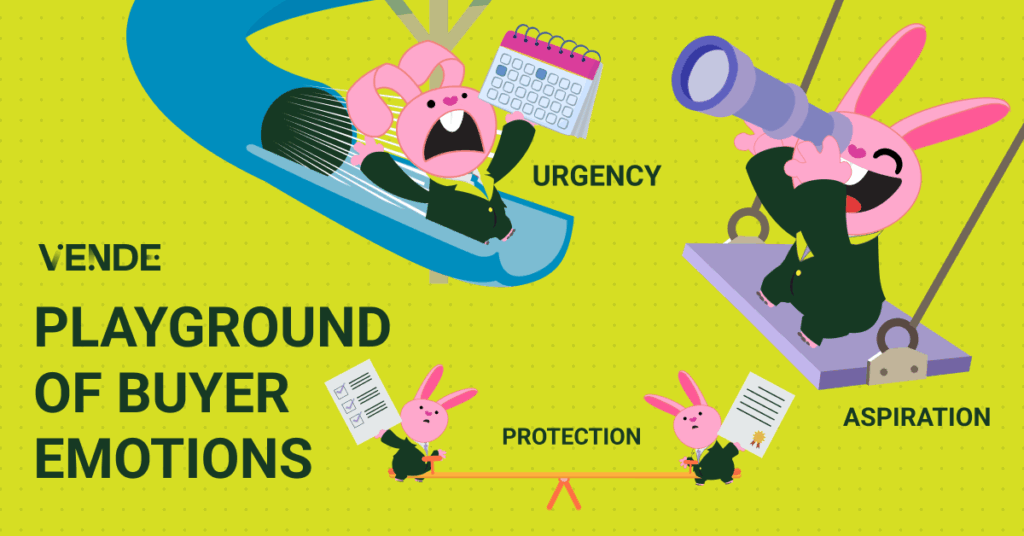
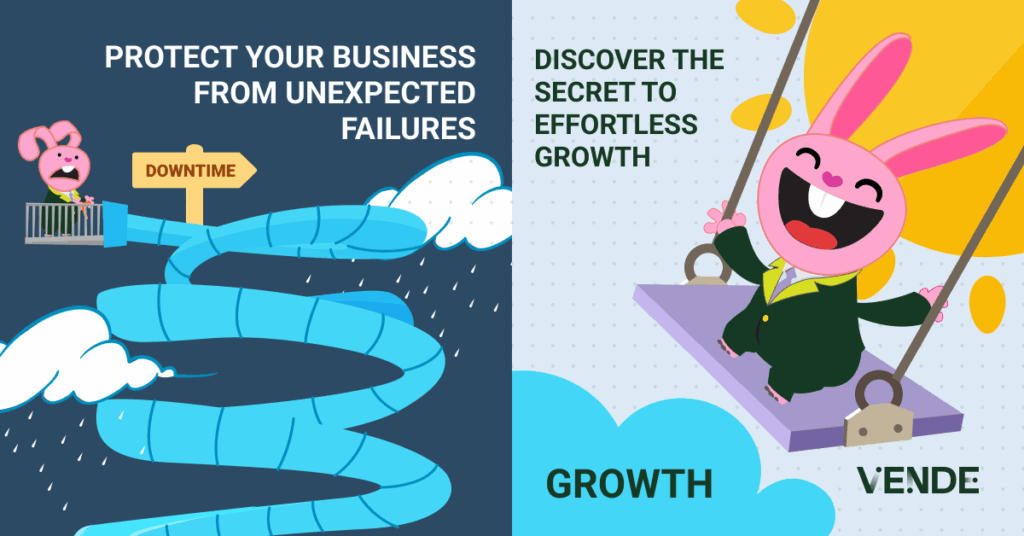
Picture a playground of emotions: fear-based messaging is like the slide, fast, direct, and designed to get immediate action. For instance, a message like “Avoid costly downtime” activates the fight-or-flight instinct, pushing buyers to act quickly. On the other hand, opportunity messaging is like the swing, inviting buyers to dream big and aim high, appealing to their desire to achieve, grow, and innovate. And then there’s the seesaw, representing protection, where buyers carefully balance risk and reward, weighing their options before deciding.
Don’t take our word for it. Grant Gooding, a B2B marketing neuroscience pro, tested these messages for a tech company. Swapping “99.9% uptime” for “avoid costly downtime” led to a 35% boost in conversions. Why? Fear is primal, especially in high-stakes B2B decisions where risk aversion often reigns supreme. However, we’ll explore why the opportunity still has its rightful place.
Why You Need Both Approaches in Your Toolkit
Mastering fear vs opportunity messaging doesn’t mean picking sides. It means knowing when to lean into fear’s urgency or opportunity’s inspiration. For example:
- Fear-based messaging thrives in risk-sensitive industries like compliance or manufacturing.
- Opportunity-focused messaging shines in innovation-driven contexts, such as launching a transformational SaaS tool.
Being adept at tapping into both ensures you can adapt to varying buyer mindsets.
How to Choose the Right Approach for Your Audience
Mastering Audience Insights
The secret to picking the right message lies in knowing your audience inside and out. If you're unsure how to align the message with the mindset, start by mapping their journey to your demand strategy. Not sort of or vaguely—fully knowing what keeps them tossing and turning at 3 AM or what future success they envision. Here's how:
- Talk to Them Regularly. Surveys, interviews, and interactive content can reveal whether buyers are motivated more by avoiding pain or chasing success.
- Identify Their Pain Points. Fear-based messaging works wonders if downtime, compliance violations, or costly mistakes are top issues. On the other hand, focus on opportunities when your audience dreams of growth, innovation, or impact.
- Test Relentlessly. A/B test fear- and opportunity-driven messages in your campaigns. For example:
- Test subjects like “Avoid outages that derail business” (fear) versus “Save time with 99.9% efficiency” (opportunity).
- Iterate Based on Data. Use click-through rates, engagement, and conversions as your scorecard to refine your strategy over time.
Know Where Your Message’s Complexity Resides
If your fear-based messaging shouts doom and gloom without offering clarity or solutions, it’ll alienate buyers instead of engaging them. Similarly, opportunity-focused messages should promise tangible results, not vague dreams.
Crafting Masterful Campaigns with Fear and Opportunity Messaging
Fear-Based Campaign Tips
- Highlight Specific Risks. Instead of threatening general ‘bad things,’ focus on precise pain points like “Protect your data from breaches that cost millions.”
- Pair Fear with Solutions. Nobody likes being scared without a lifeline. Wrap your fear messages in the assurance of safety or relief.
- Strike the Right Tone. Avoid overly alarming language. Stick to urgency and practicality, like “Stop revenue-draining inefficiencies.”
Opportunity-Based Campaign Tips
- Paint an Inspiring Vision. Offer them a glowing picture of success, like “Transform operations with untapped savings.”
- Use Language That Motivates. Keep it uplifting, with messages like “Achieve scalable growth with ease.”
- Keep the Promise Real. Stay believable and data-backed. Overpromising can erode trust quickly.
The Overlap Strategy
Why choose one when you can have both? Blending fear and opportunity messaging often works best. For example:
“Minimize downtime today to unlock productivity gains tomorrow.”
By combining urgency and future reward, you deliver a multifaceted message that resonates powerfully.
Real-World Inspiration
Some of the best insights come from real-world success stories. Consider this mini case study from the tech industry:
- Problem: A company led with opportunity messaging—“99.9% Uptime.” Conversion rates? Mediocre.
- Solution: Shifted messaging to fear—“Avoid costly downtime.”
- Result: Conversions increased by 35% because urgency ignited action among risk-sensitive buyers.
Whether showcasing an aspirational future or mitigating disaster, the lesson is clear. Fear grabs attention fastest, but opportunity sustains momentum.
Learn why modern marketers combine ABM and demand generation strategies to keep buyers emotionally connected across the funnel.
Key Takeaways for B2B Marketers
Want your marketing to hit home? Here’s how to integrate everything we discussed today into your campaigns:
Immediate Actions
- Test Your Messaging: Run A/B tests comparing fear-based and opportunity-driven phrasing in your next campaign. Use conversion data to guide your adjustments.
- Get Specific: Replace generic claims like “high quality” with precise benefits, such as “99% defect-free manufacturing.”
- Focus on Buyer Needs: Dig into what resonates emotionally. Is it avoiding failure or achieving success?
Long-Term Strategy
- Invest in Buyer Insights: Perform deep research into audience motivations to understand the balance of risk and reward that drives them.
- Use Mixed Messaging: Develop campaigns that integrate fear’s urgency and opportunity’s inspiration seamlessly.
- Keep Evolving: Business priorities shift, and so should your messaging. Regularly revisit and refine your strategies. Consider how strategies like Language Model Optimization help ensure your messaging stays visible in an AI-powered world.
Final Thoughts
Fear vs. opportunity messaging isn’t just a tactic; it’s a tool for crafting impactful campaigns. Whether invoking urgency through fear or promise through opportunity, your goal is the same: connect emotionally, earn trust, and drive results.
Looking to up your game? Partner with a team of B2B messaging experts who thrive on delivering revenue-generating results. Contact us today and start creating campaigns that convert.

-2.png)
%20VD-4-26-2-Why%20B2B%20Teams%20Need%20to%20Shift%20From%20Lead%20Generation%20to%20Buyer%20Enablement-1.png)

.png?width=352&name=Featured%20Image%201%20(1).png)